
Materials Handbook
Printing Techniques
ThinksPack uses the offset system, which is the highest standard in the printing industry, to ensure your printed materials have maximum sharpness, vibrant colors that match the original, and professional-level color accuracy, especially for high-resolution work and high-volume printing. The more you print, the lower the cost per piece becomes.
Paper Types
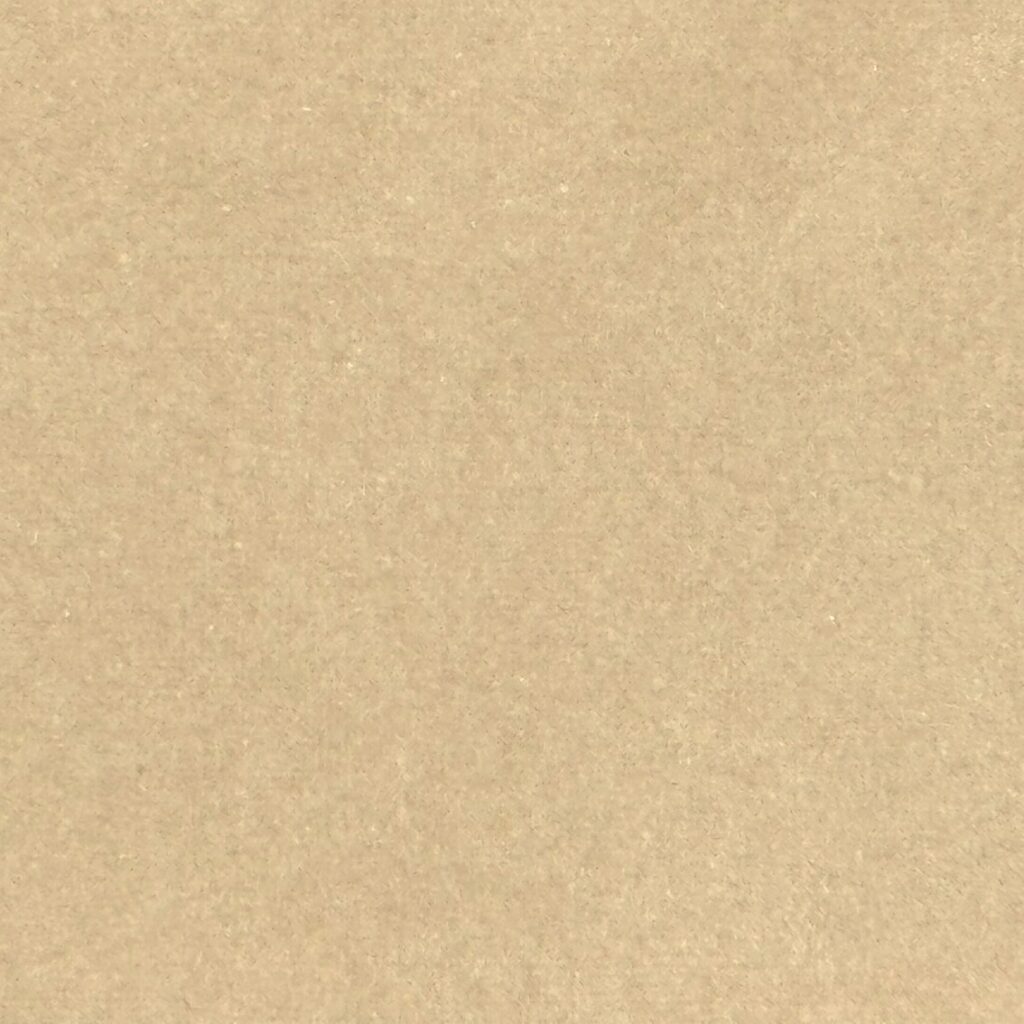
Virgin Brown Kraft
Paper made from 100% pure pulp, mostly from softwood or pine, and has not undergone bleaching processes, giving the paper its natural brown color. It has high strength, tear resistance, and can be used for packaging applications as follows:
- Food packaging boxes
- Food wrapping paper
- Bakery paper bags
- High-quality shopping paper bags
Recycled Kraft
Kraft paper produced using recycled paper pulp that has been processed and reused, making it a sustainable choice with lower cost than kraft paper made from pure pulp. It can be used for packaging applications as follows:
- Corrugated boxes
- General shopping paper bags
- Environmentally friendly packaging

Art Card Board
The number one choice for premium packaging work! With the smooth, fine texture of Art Card Board, it helps printed work come out sharp, with vibrant colors that match perfectly, and supports special techniques excellently. It is ideal for brands that want to transform ordinary boxes to look valuable and expensive with professional-quality printing.
- Premium cosmetics and perfume packaging boxes
- High-value electronics packaging boxes (such as mobile phones)
- Desktop/wall calendars
- Premium business cards
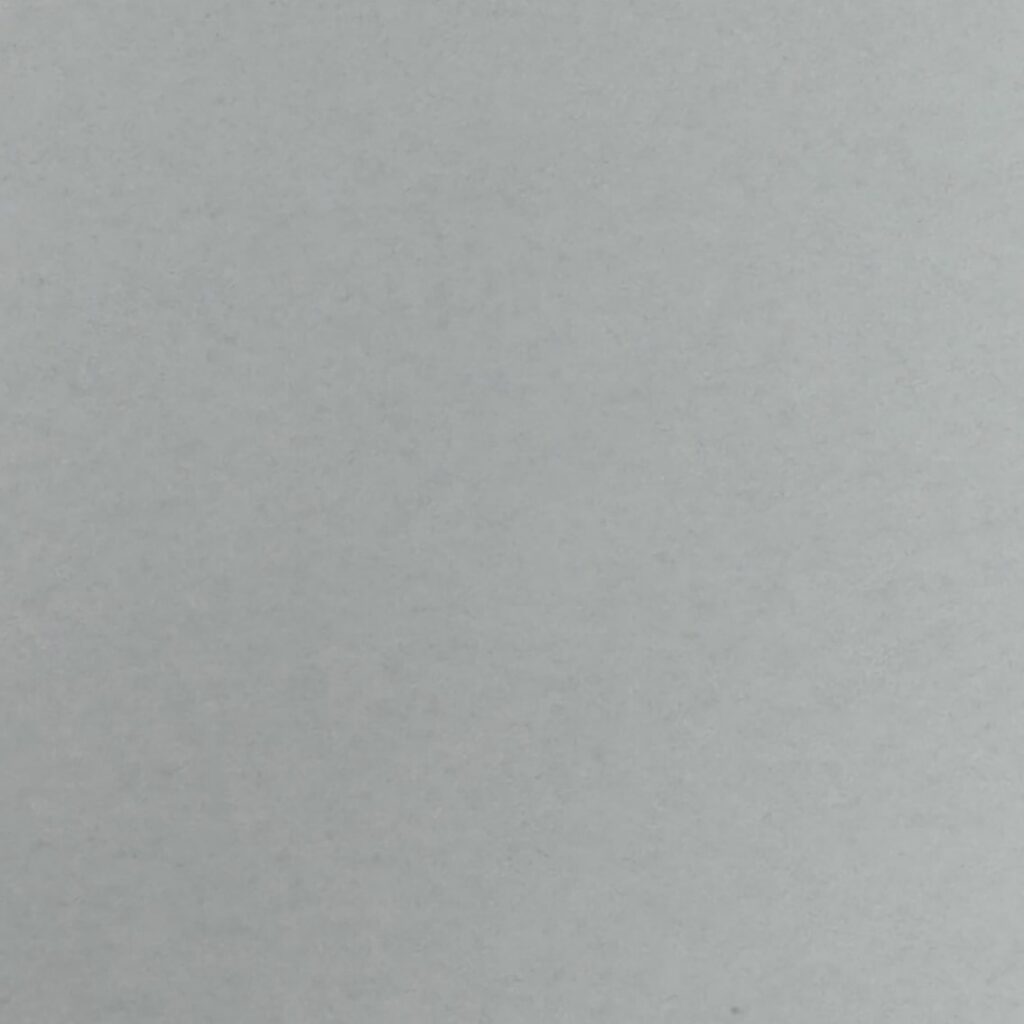
Duplex Paper Board
Or gray-back/white-back cardboard is multi-layer rigid paper commonly used for general product packaging. Its distinctive feature is that one side is coated with clean white, and the other side is gray or brown.
White side: Mostly pure paper pulp, serving as the surface for printing
Gray side: Made from recycled paper pulp, helping increase thickness, strength, and reduce production costs
- Consumer goods packaging such as pharmaceutical/medical boxes, soap boxes, toy boxes
Rigid Board
Used as the main structure of rigid boxes, made from compressed recycled paper pulp that is strong and durable. It requires external wrapping paper because the surface of Rigid Board is rough and not suitable for direct printing.
- Used for boxes requiring a luxurious image (such as phone boxes, premium cosmetics boxes)
Decoration Techniques
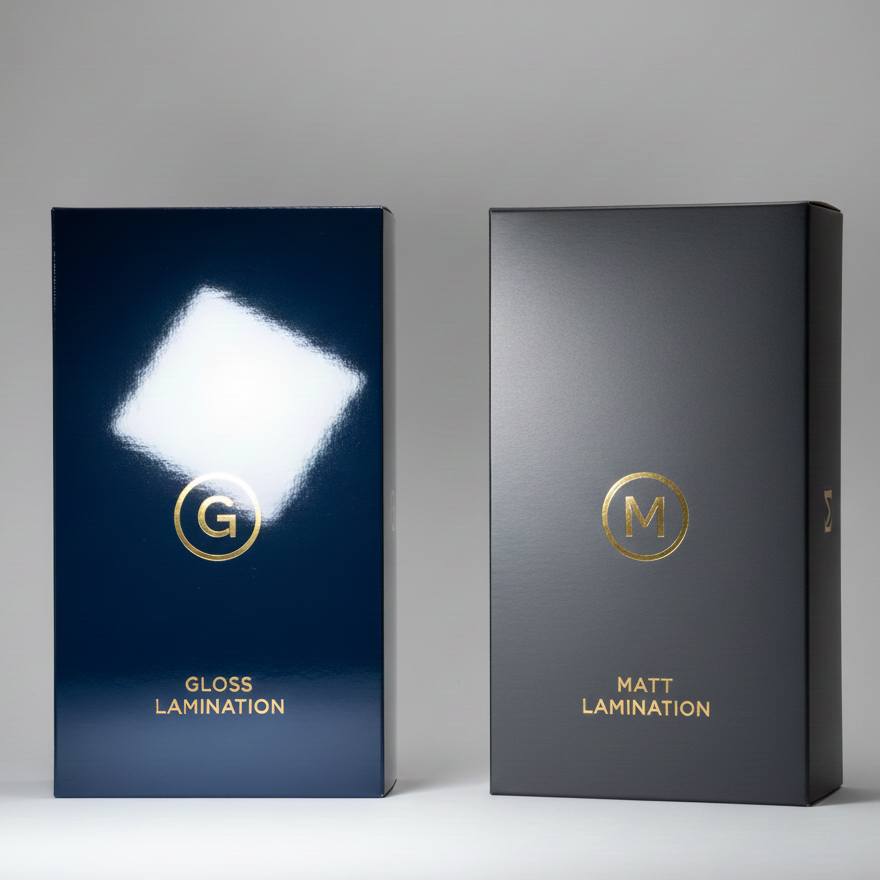
Surface Coating Techniques
Enhance durability and luxury
- Gloss coating: Provides high shine, making colors appear vibrant and prominent
- Matte coating: Provides an elegant, soft texture and reduces light reflection
- Spot UV: Selective gloss coating (coating only logos, product names, or images) to create dimension and prominence
- Plastic coating: Helps increase durability for packaging that faces moisture and provides water resistance
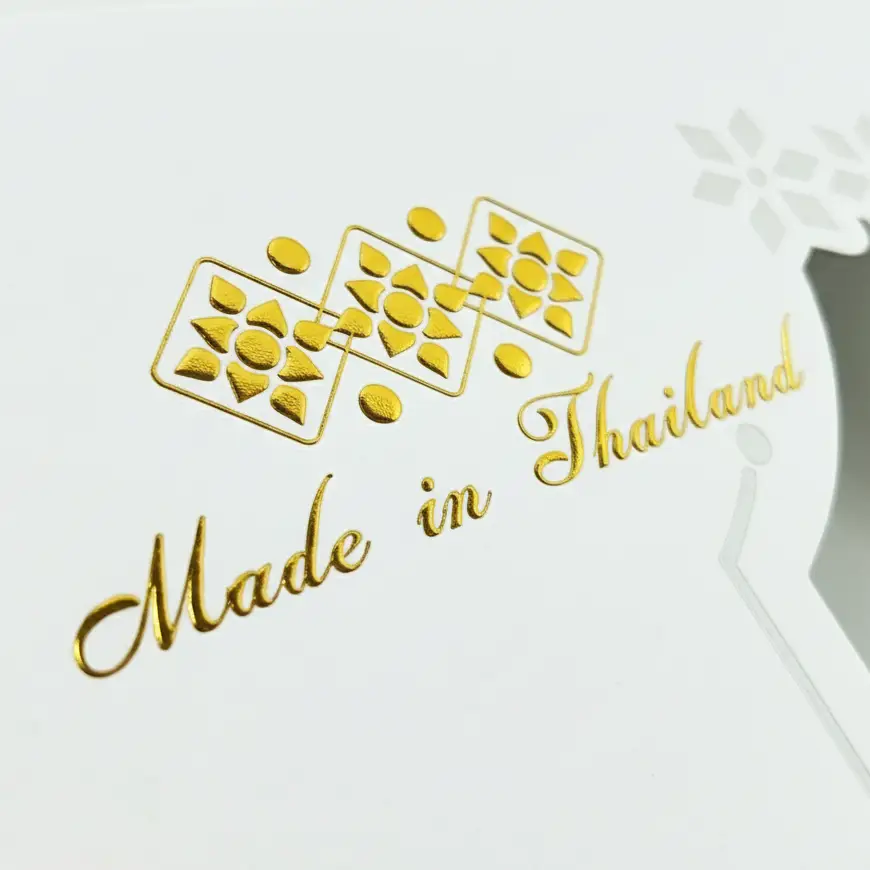
Embossing and Foil Stamping
Create dimension and premium touch
- Foil stamping: Using heat and pressure to transfer metallic foil (such as gold, silver, or other colors) onto paper to highlight logos or text for a premium look
- Embossing: Creating raised images or text above the surface to add dimension and physical texture
- Debossing: Creating images or text that are pressed or recessed into the surface
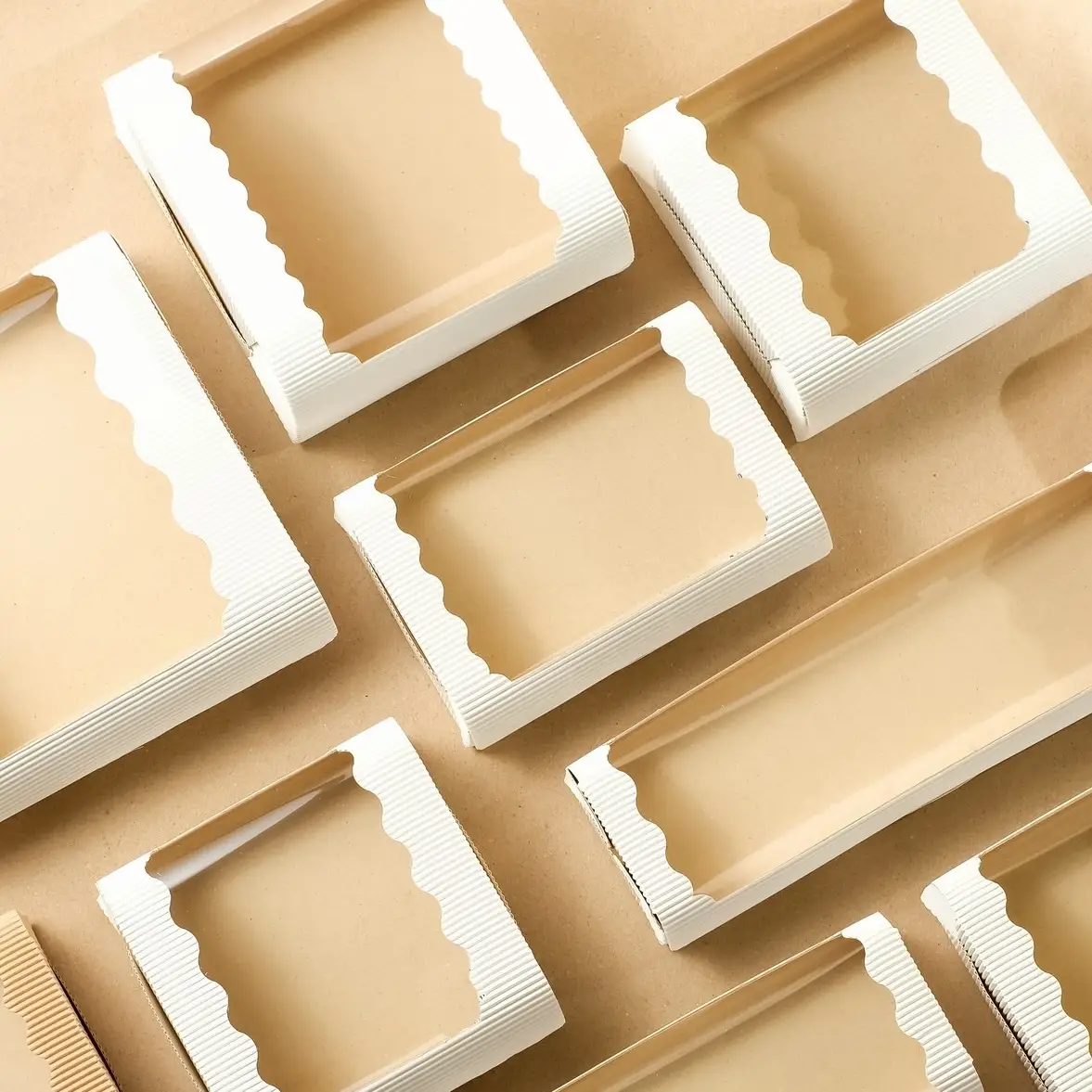
Die-cutting and Window Cutting
Create unique shapes
- Custom shapes: Cutting boxes to have specific shapes that match the brand
- Product display windows: Cutting openings and possibly covering with clear plastic sheets to show the product inside, allowing customers to see the product directly
Choose the right materials for your brand
Food and Bakery
- Emphasize safety (Food Grade) and an image that looks clean and natural
- Recommended material: Virgin Brown Kraft (pure fiber kraft paper)
- Coating technique: Coated with PE Food Grade plastic, a special film layer that helps prevent oil and liquid penetration while maintaining natural biodegradability properties
- Why it’s suitable: Not bleached, safe when in direct contact with food, and 100% biodegradable
- Eco-friendly idea: Use with Soy Ink printing to make your packaging truly earth and environmentally friendly
Cosmetics and Beauty
- Emphasize premium quality, good texture, and sharp printing
- Recommended material: Art Card Board or Rigid Board
- Surface decoration techniques: Enhance image with gloss coating for vibrancy or matte coating for luxurious premium feel
- Why it’s suitable: Strong, with smooth surface that supports high-detail printing with sharp clarity and accurate colors
- Eco-friendly idea: Choose paper with FSC certification to confirm that your brand’s beauty comes from sustainable planted forest sources
Electronics
- Emphasize strength, shock resistance, and product protection
- Recommended material: Art Card Board
- Special techniques: Embossing combined with Spot UV helps attract attention and create brand memorability several times better
- Why it’s suitable: Excellent crush protection, creating confidence that products will not be damaged during shipping
- Eco-friendly idea: Use die-cut box structure that locks products in place to reduce the use of foam or plastic shock protection inside
Fashion and Clothing
- Exceptionally lightweight, helping clearly reduce shipping costs by actual weight while maintaining strength in product protection
- Recommended material: Recycled Kraft or Kraft Paper (available in both white and brown)
- Various techniques can be used according to customer requirements
- Why it’s suitable: Highly flexible, easy to fold, and helps reduce packaging costs
- Eco-friendly idea: Emphasize using 100% Recycled Kraft to show the fashion brand’s stance on caring about Circular Economy
Gifts and Premium Items
- Emphasize creating first impression impact (Unboxing Experience)
- Recommended material: Rigid Board
- Surface decoration: Wrapped with special thin paper printed with graphic patterns or logos, helping add value to the products inside the box
- Why it’s suitable: The box is rigid, provides luxurious premium feel, durable enough that customers want to keep the box for continued use
- Eco-friendly idea: Design packaging with high quality so customers can “Reuse” it, which is the key to sustainable waste reduction