
In an era where consumers are increasingly concerned about food safety, “Food Grade packaging” has become the standard packaging for restaurants, bakeries, beverages, and almost all delivery businesses. However, many may still wonder… what is food grade, how is it different from regular boxes, and how necessary is it? In this article, ThinksPack will explain and recommend how to choose boxes suitable for your business type.
Table of Contents
What is Food Grade

Food Grade packaging refers to packaging specifically designed and manufactured to be safe for direct food contact. The materials used must be free from chemical contamination or foreign odors, and must appropriately resist moisture, heat, and oil. The wine glass and fork symbol is the universal mark indicating that the packaging material is safe for food contact.
Importance of Food Grade
The main importance of food grade materials is preventing harmful chemicals or toxins from seeping into food. The properties of food grade materials are as follows:
- No reaction with food: Food grade materials must not react or alter chemical composition when in contact with various types of food, such as highly acidic or high-fat foods.
- Preserves food quality: Helps maintain the taste, smell, color, and nutritional value of food without changes or absorption by the packaging.
- Control process: Food grade materials aren’t just about raw materials, but also include the production process. Factories producing food grade packaging must have strict hygiene and cleanliness control measures to prevent physical (such as dust) or biological (such as bacteria) contamination during production.
- Extends product life: Helps protect against external factors such as air, moisture, and pathogens, enabling longer shelf life of products, reducing waste, and increasing export opportunities.
- Food grade boxes are manufactured according to specified standards, such as:
- No harmful coating materials
- No printing inks that directly contact food
- Certified through proper manufacturing processes
Therefore, you can be confident that… it’s safe for all types of food, including savory dishes, desserts, bakery items, and beverages.
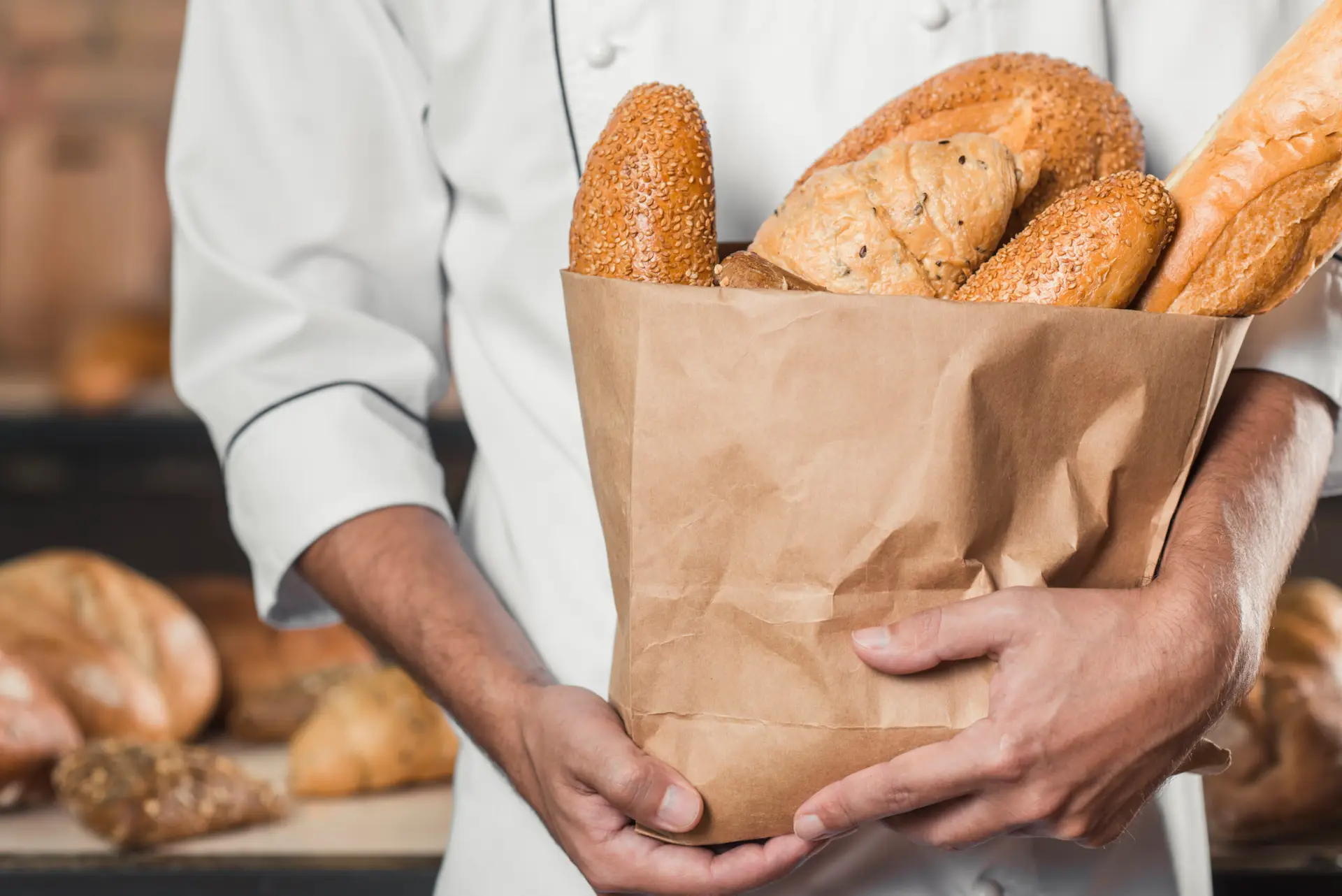
Common Types of Food Grade Paper
Food Grade Kraft Paper
Dense, strong paper with natural color, made from 100% virgin pulp that hasn’t been used before, free from harmful chemicals such as Fluorescent Agents or Heavy Metals. Suitable for food delivery and bakery items.
PE-Coated / Oil-Resistant Food Grade Paper
Normally, regular kraft paper isn’t water-resistant, but food grade kraft paper for containing liquid or oily foods (such as stir-fries, curries, or fried foods) must be coated internally with food grade substances like PE (Polyethylene) layer or Grease-Resistant Barrier to prevent leakage of water or oil. Suitable for oily or saucy foods like French fries, fried foods, Japanese food.
Oil-Absorbing Paper
The main purpose is absorbing oil and preventing food from sticking to containers for convenient consumption and cleaning, such as frying papers used under fried foods to reduce greasiness.
- Effect on food: Helps reduce greasiness, making food (like French fries, fried chicken) stay crispy longer.
- Health impact: Helps reduce the amount of fat consumed from fried foods.
Food Grade Art Paper (for beautiful color printing)
Art paper is coated paper that provides a smooth, glossy (or semi-glossy) surface and helps create vibrant, sharp, and beautiful color prints. When adding “food grade”, it means this art paper is manufactured and controlled to be safe for food-related use, with the following properties to consider:
- Components that must be food grade
- The main paper pulp must come from clean Virgin Pulp, free from harmful chemicals
- Surface coating must be certified as non-hazardous and non-penetrating into food
- Color printing highlights
- Vibrant colors: The coating prevents ink from absorbing into the paper, keeping pigments on the surface for better light reflection, resulting in vivid, true-to-life colors
- Sharp details: Suitable for packaging requiring detailed food photography or high-detail logos to enhance premium product image
- Usage in Food Business
- Food grade art paper is typically used as a secondary packaging layer, meaning the outer box that doesn’t directly contact food
** The printing ink used by ThinksPack is Soy Ink, which is certified safe and environmentally friendly

Which Businesses Should Use Food Grade Packaging?
The main criterion is “whether the material directly contacts food”. If there’s direct contact, it must always be food grade.
Food Delivery Restaurants
Bread / Bakery
Kitchen Equipment
Beverage Shops
Children's Products
Frozen Products
Business Benefits of Using Food Grade Packaging
Safety and Legal Risk Avoidance
100% Safe: Food Grade materials are certified to be made from new paper pulp or materials without harmful chemicals that could contaminate food, even with direct contact.
Meets International Standards: Helps your business pass inspections and obtain food standard certifications more easily, which is crucial for export businesses.
Reduces Risk of Lawsuits/Product Recalls: Chemical contamination is a major cause of product recalls. Using Food Grade significantly reduces this risk.
Enhances Brand Credibility and Image
Builds Trust: Indicating the use of Food Grade packaging on products demonstrates care for consumer health and safety, increasing customer confidence in your products.
Premium Image: High-standard, quality packaging is often perceived as attention to detail, elevating the brand to appear more professional and trustworthy.
Attracts Health-Conscious Consumers: Modern consumers prioritize food sources and safety. Using Food Grade is a key factor in purchasing decisions.
Quality Preservation and Product Life Extension
Maintains Freshness: Appropriate packaging protects food from external factors like air, moisture, light, and foreign odors, preserving taste, smell, and nutritional value longer.
Reduces Food Waste: Longer shelf life helps reduce loss from spoilage or premature expiration, saving business costs.
Creates Marketing and Sales Advantages
Unique Selling Point: In highly competitive markets, emphasizing packaging safety is an important selling point that differentiates your products from competitors using lower-grade packaging.
Marketing Opportunities: If you choose environmentally friendly Food Grade packaging, you can add value and attract environmentally conscious customers.
Operational Efficiency
Transport Durability: Food Grade packaging is designed to be strong and resistant to storage and transport, ensuring products reach consumers in perfect condition, reducing damage and returns.
Versatile Usage: Food Grade materials are developed to support various uses such as microwave heating, freezing, or high temperature/cold resistance.
Summary: Why is Food Grade Important?
Because it’s safer and better than regular grade packaging, helps build a positive brand image, and creates customer confidence. If you need Food Grade packaging, ThinksPack is ready to design and produce Food Grade packaging according to your specifications, creating uniqueness, manufactured with ISO and FSC standards, safe and reliable at every step.